GEOTECHNICALENGINEERING
SURREY
HomeGround improvementStone column design

Stone Column Design for Soft Ground in Surrey

Technical studies that support your project.

LEARN MORE

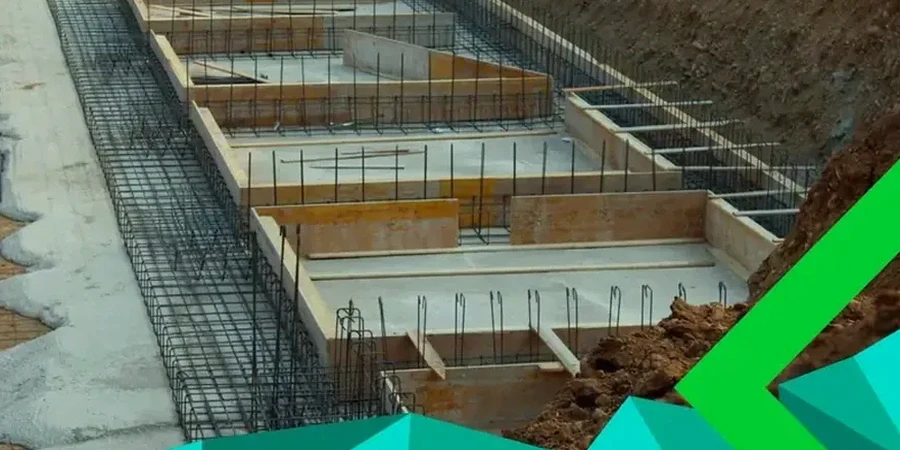
Surrey sits on complex Quaternary deposits — thick layers of compressible clay and silt that challenge any foundation design. NBCC 2015 and CSA A23.3 set clear requirements for ground improvement on these soils. We design stone columns that transfer load to competent strata and reduce settlement to acceptable limits. Each design accounts for Surrey’s high seismic hazard rating and the variable water table found across the municipality. Our team runs the design from initial borehole data through to field verification. We combine the stone column layout with a CPT test program to confirm tip resistance and friction ratios before installation begins.

Column spacing drives settlement reduction. Get the replacement ratio right and the clay takes almost no load.
Our service areas

Our approach and scope

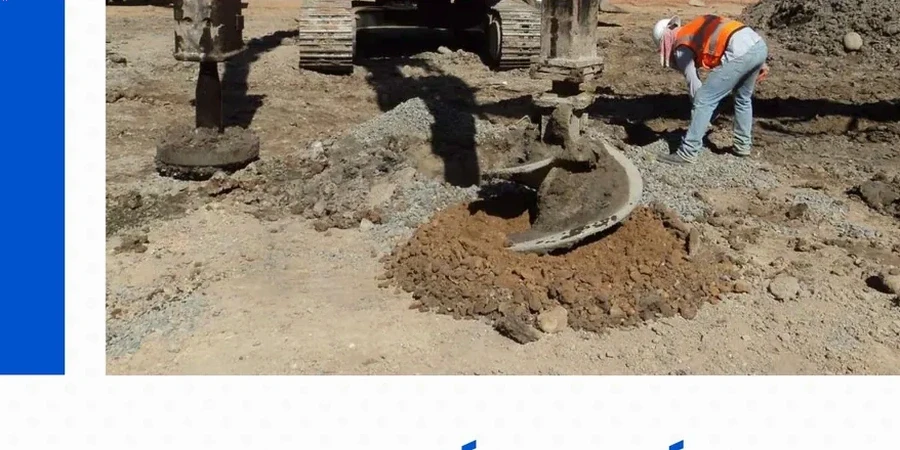
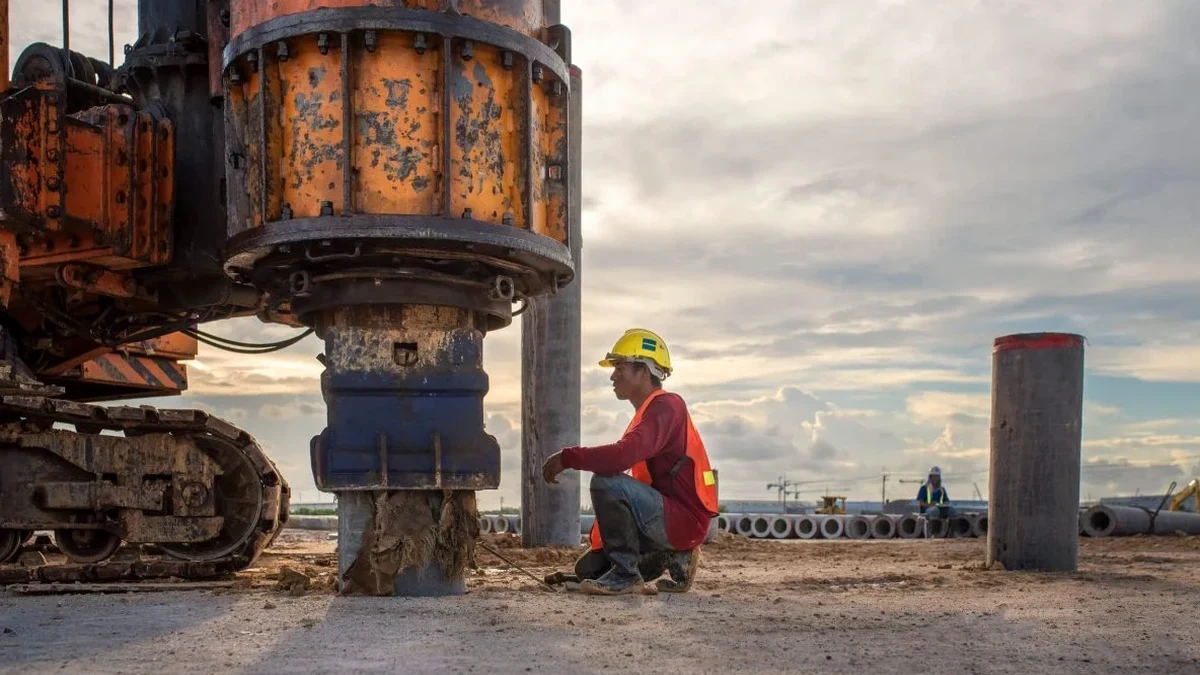
Surrey’s population has crossed 600,000 and infrastructure demands keep growing. The city’s recent building boom has pushed development into areas with 10 to 15 meters of soft alluvial clay. A stone column design here must handle undrained shear strengths often below 30 kPa. We size columns to transfer structural loads past these weak layers and into dense glacial till. Key design parameters we control: column diameter, area replacement ratio, and stress concentration factor. Installation uses vibro-displacement or vibro-replacement depending on fines content. We verify the design with post-installation load tests and pore pressure monitoring. Settlement targets follow NBCC serviceability limits — typically 25 mm for conventional structures.
Stone Column Design for Soft Ground in Surrey
Technical reference — Surrey

Local ground factors

Surrey’s soft clay layers can lose strength under cyclic loading — a real concern given the city’s location in a high seismic zone. Undrained conditions during earthquake shaking reduce column confinement and can trigger excessive settlement. We design for post-earthquake performance using Priebe’s method with seismic reduction factors. Pore pressure buildup in the matrix soil is modeled to confirm columns maintain load-carrying capacity. A poor design here means differential settlement that cracks slabs and breaks utility connections. Our verification protocol includes zone load tests and settlement plates to catch performance gaps before structural framing begins.

Need a geotechnical assessment?

Reply within 24h.

Email: [email protected]

Reference standards

NBCC 2015, CSA A23.3, ASTM D5878

Technical parameters

ParameterTypical value
Typical column diameter0.6 to 1.2 m
Area replacement ratio10 to 35%
Stress concentration factor (n)2.0 to 5.0
Design undrained shear strength (su)15 to 50 kPa
Target settlement (serviceability)≤ 25 mm
Installation depth range6 to 25 m

Frequently asked questions

What does stone column design cost in Surrey?

Design fees for stone columns in Surrey typically run between CA$2,060 and CA$8,100. The range depends on the number of columns, site access, and the amount of load testing required.

How do you verify the design works?

We run zone load tests on production columns. Settlement is measured under 150% of the design load. We also install settlement plates and piezometers on larger jobs to track long-term performance.

What soil conditions suit stone columns?

They work best in soft clays and silts with undrained shear strength between 15 and 50 kPa. The soil needs enough lateral confinement for the column to bulb. We confirm suitability with CPT and lab testing.

Location and service area

We serve projects in Surrey and surrounding areas.

View larger map