GEOTECHNICALENGINEERING
SURREY
HomeUnderground ExcavationsGeotechnical excavation monitoring

Geotechnical Excavation Monitoring in Surrey, BC – Field-Proven Monitoring Plans

Technical studies that support your project.

LEARN MORE

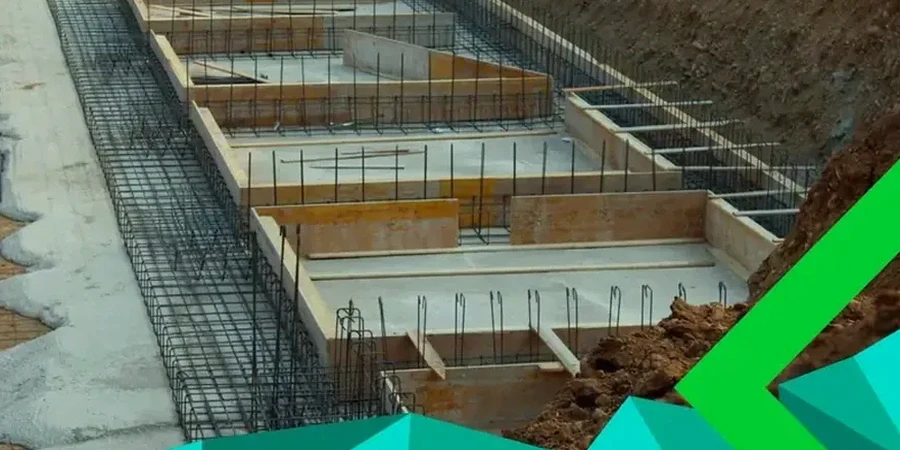
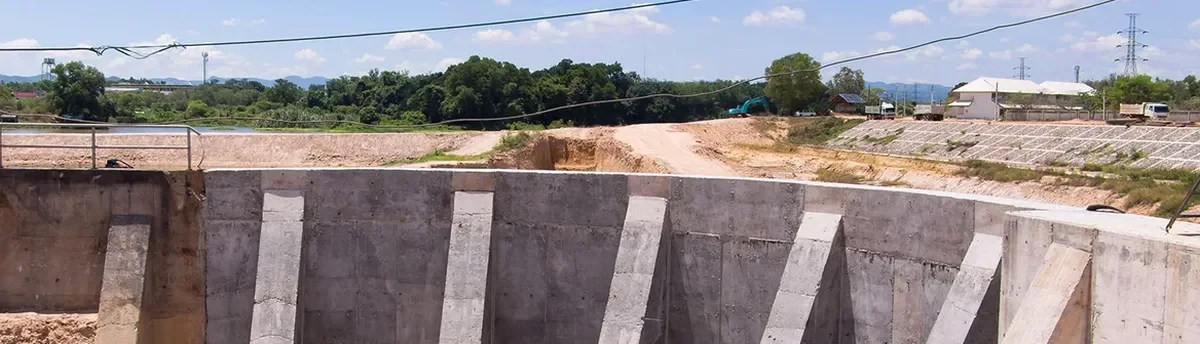
A 15-meter excavation with a soldier pile and lagging wall on 104 Avenue—just a block from Surrey Central—taught us something critical about the local till and clay interface. When the third lift exposed a perched water table nobody expected, the inclinometer data shifted within two hours. We had survey crews running total station checks by noon, and the deep excavation design team adjusted the bracing sequence on the fly. That’s the reality of working in the Fraser Valley: the stratigraphy changes fast, and the difference between a controlled dig and a wall deflection problem is measured in millimeters. In our experience, geotechnical excavation monitoring in Surrey isn’t a checkbox—it’s the only thing standing between a productive jobsite and a shutdown order from the city.

In Surrey’s till and clay transition zones, a 5 mm deflection at the top of the wall can be the first sign of a problem that costs weeks of delay.
Our service areas

Our approach and scope

Surrey’s transformation from a patchwork of agricultural land into Metro Vancouver’s fastest-growing city has pushed excavation depths deeper into the glacial till, advance outwash, and occasional pockets of compressible marine clay. The city’s 2014 Building Bylaw update tightened shoring inspection requirements, which means every deep dig along the King George Boulevard corridor now triggers a monitoring specification. We set up arrays that combine automated inclinometers on the soldier piles with manual crack gauges on neighboring buildings—some of which are 1970s wood-frame walk-ups with very low tolerance for differential settlement. A typical slope stability concern arises at the toe of the cut when the silty sand unit below the till loses suction during the wet months from October through March, a scenario we watch with piezometers and regular survey rounds. The monitoring protocol we build for each project isn’t just a list of instruments—it’s a response plan with defined trigger levels, reporting frequencies, and a clear chain of communication to the geotechnical engineer of record.
Geotechnical Excavation Monitoring in Surrey, BC – Field-Proven Monitoring Plans
Technical reference — Surrey

Local ground factors

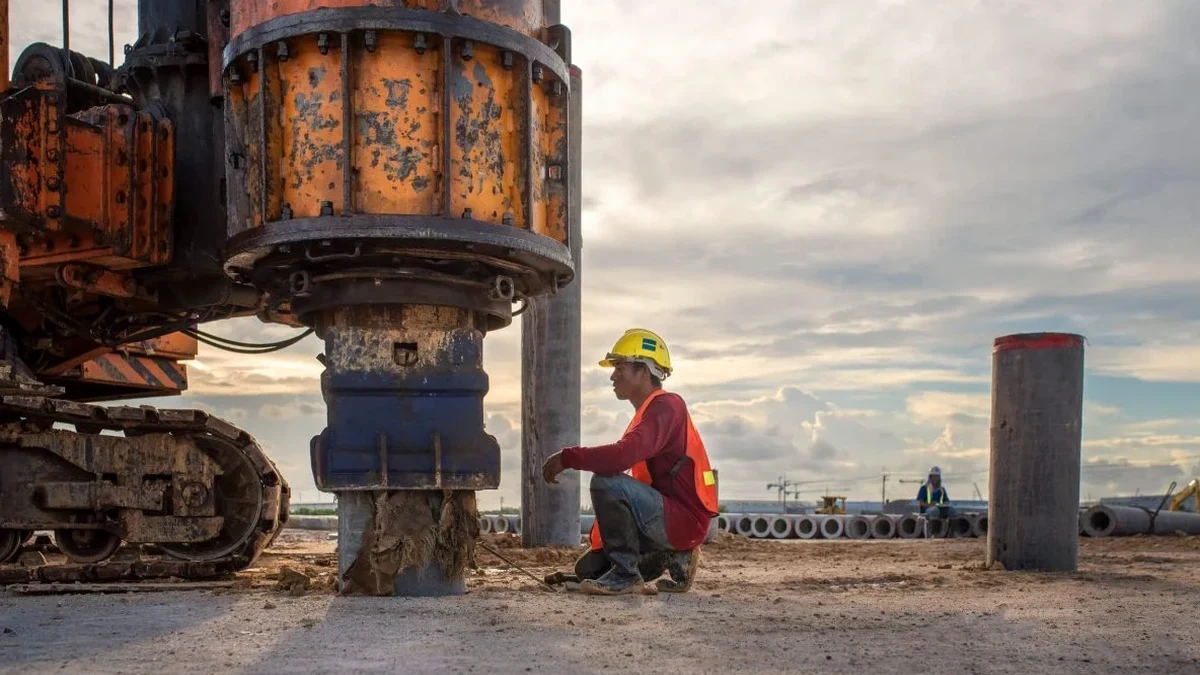
Under NBCC 2015 Part 4 and CSA A23.3-14, the engineer of record must establish monitoring thresholds that account for the stiffness of the shoring system and the sensitivity of adjacent structures—and in Surrey, those adjacent structures are often older than the excavation by 40 years. The biggest risk we see isn’t the deep failure plane; it’s the gradual relaxation of the till behind the wall after a series of rain events, which produces a long-term creep that doesn’t trigger alarms on day one but accumulates to 15 or 20 mm over a month. If nobody correlates that trend with the piezometer data, you end up with a cracked sewer lateral under the sidewalk and an angry strata council. We also watch for vibration-induced settlement when blasting or hoe-ramming through the glacial boulders scattered throughout the upland areas of South Surrey and Fleetwood—a single boulder can transfer energy into the ground in a way that a vibrocompaction rig never would.

Need a geotechnical assessment?

Reply within 24h.

Email: [email protected]

Reference standards

NBCC 2015 Part 4 – Structural Design, CSA A23.3-14 – Design of Concrete Structures, ASTM D6230 – Standard Practice for Monitoring Settlement from Deep Excavations

Technical parameters

ParameterTypical value
Typical monitoring duration (deep excavation)4 to 18 months
Inclinometer casing depth below excavation subgradeMinimum 3 m into competent till
Total station survey frequency (active phase)Daily to twice-weekly
Crack gauge reading intervalDaily if within zone of influence
Piezometer response checkWeekly during wet season (Oct–Mar)
Trigger level for wall deflection (cantilever)Typically 25 mm or H/200, whichever is less
Reporting standardNBCC 2015 Part 4, CSA A23.3-14

Frequently asked questions

What does a geotechnical excavation monitoring plan cost in Surrey?

For a typical mid-rise excavation in Surrey lasting 6 to 9 months with inclinometers, survey prisms, and piezometers, the monitoring scope usually falls between CA$1,140 and CA$3,140 depending on the number of instrument stations, reporting frequency, and whether automated data loggers are required. A simpler monitoring setup for a shallow cut might come in at the lower end, while a deep excavation with vibration monitoring and daily reporting pushes toward the upper range.

How often do you read the inclinometers during active excavation?

During the active digging phase—especially when the excavation is advancing past the upper till into the softer clay or silt layers—we read inclinometers daily or every second day. Once the cut reaches final subgrade and the bracing is locked in, we typically step down to twice-weekly readings, correlating with rainfall events that might spike pore pressures behind the wall.

What happens if a monitoring trigger level is exceeded?

Our protocol includes an immediate field notification to the geotechnical engineer of record and the general contractor, followed by a written alert within two hours. The excavation may be paused in the affected zone while we increase reading frequency and assess whether the trend is accelerating or stabilizing. In most cases, the fix is simple—adding a wale, tightening a tieback, or adjusting the excavation sequence—but catching it early prevents a minor deflection from becoming a structural problem.

Do you monitor buildings that are not directly adjacent to the excavation?

Yes—we define the zone of influence based on the depth of the cut and the soil profile, not just property lines. In Surrey’s mixed residential-commercial blocks, a 10-meter excavation can influence structures 15 to 20 meters away if the soil is loose advance outwash. We install crack gauges and survey prisms on any building within that calculated zone to document pre-existing conditions and track movement from day one.

Location and service area

We serve projects in Surrey and surrounding areas.

View larger map