GEOTECHNICALENGINEERING
SURREY
HomeFoundationsShallow foundation design

Shallow Foundation Design in Surrey — Geotechnical Verification

Technical studies that support your project.

LEARN MORE

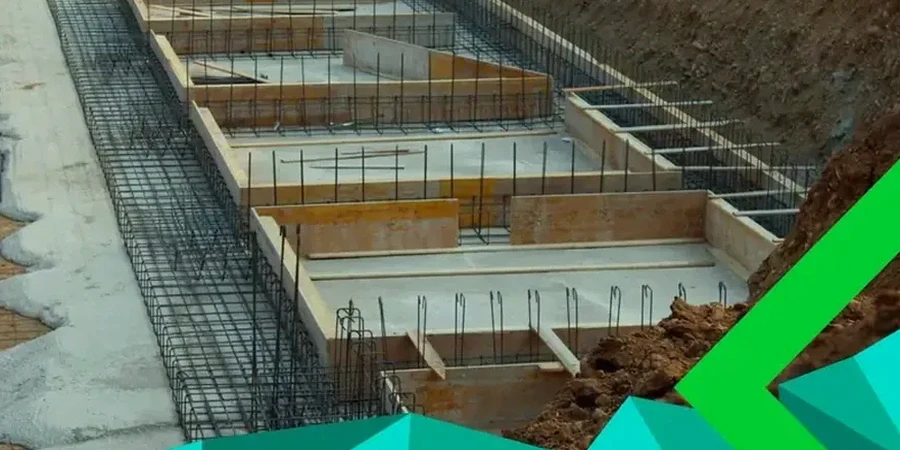
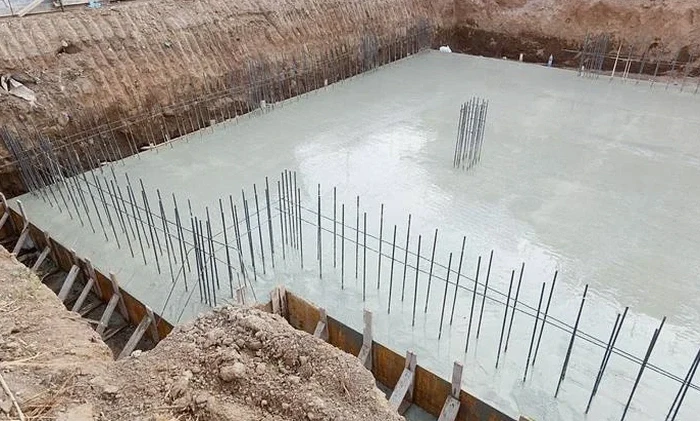
Surrey splits sharply along its geological spine. South of the Nicomekl River, thick peat and glacial till create a compressible base with variable organic content. North of 72 Avenue, the transition into glacial uplands brings dense till and silty sand — better bearing, but prone to perched groundwater during the wet season. A shallow foundation design that works in Fraser Heights will fail in Cloverdale without site-specific verification. The difference is not the structure. It is the soil. Our approach relies on direct testing. We correlate CPT test profiles with lab consolidation curves. When near-surface fill is suspected, we cross-check with SPT drilling data to refine allowable bearing pressure. No generic presumptive values. Every pad footing and strip footing gets a settlement prediction tied to actual strata logged on site. The City of Surrey requires it. So should the project engineer.

Bearing capacity without settlement analysis is half a design. In Surrey's compressible clays, settlement governs the allowable pressure, not shear failure.
Our service areas

Our approach and scope

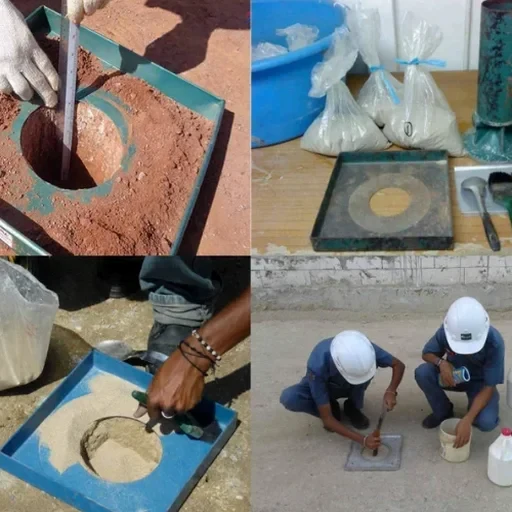
A common mistake in Surrey is treating the weathered crust as bearing stratum without verifying thickness. The crust can be stiff — but thin. Excavation removes it. Then the foundation sits on softer native clay. Settlement doubles. We see this in older Newton townhouse projects where perimeter footings tilt because the crust was overexcavated and the replacement fill was not compacted to 98% Standard Proctor. Our design process avoids this. We log every layer. We run index tests. We model the stress bulb. If the crust is thin, we lower the bearing elevation or specify controlled fill. The plate load test confirms modulus of subgrade reaction directly. No guesswork.
Shallow Foundation Design in Surrey — Geotechnical Verification
Technical reference — Surrey

Local ground factors

NBCC 2020 Division B, Part 4 requires that foundation design be based on a geotechnical investigation adequate for the site conditions. In Surrey, this means crossing the organic silt pockets along the Serpentine River floodplain. Undetected peat lenses at 1.5 to 3.0 m depth are the primary cause of long-term differential settlement in light commercial buildings on spread footings. The risk is not theoretical. It is mapped. Surrey's Official Community Plan flags low-lying areas as having high compressibility potential. We address this by specifying minimum borehole depth to 1.5 times the footing width below bearing elevation and by running oedometer tests on undisturbed Shelby tube samples. If secondary compression is significant in organic silt, we recommend either excavation and replacement or a switch to a deeper foundation type. The decision is quantitative, not judgmental.

Need a geotechnical assessment?

Reply within 24h.

Email: [email protected]

Reference standards

NBCC 2020 — Structural Commentaries (Foundation Design), CSA A23.3:19 — Design of Concrete Structures, ASTM D1194 — Plate Load Test (bearing plate procedure)

Technical parameters

ParameterTypical value
Bearing stratumGlacial till / dense sand
Typical allowable bearing150–300 kPa (verified)
Settlement tolerance25 mm total, 20 mm differential
Factor of safety (bearing)3.0 per NBCC 2020
Minimum footing embedment1.2 m below finished grade (frost)
Subgrade modulus (Ks)Field-derived via plate load test

Frequently asked questions

What soil type in Surrey gives the best bearing for shallow foundations?

Dense glacial till and well-graded sand and gravel deposits found in the upland areas north of 72 Avenue generally provide the highest allowable bearing pressures, often exceeding 300 kPa after verification. However, even these strata require confirmation of thickness and absence of underlying softer layers.

How deep must footings be in Surrey to meet code?

The minimum footing embedment depth in Surrey is 1.2 m below finished grade to satisfy frost protection requirements under NBCC. In areas with poor drainage, we may recommend deeper embedment to reach stable bearing material.

What is the approximate cost range for a shallow foundation design report in Surrey?

For a typical single-family or small commercial building, the geotechnical investigation and foundation design report in Surrey ranges from CA$2,930 to CA$4,710, depending on the number of boreholes and required lab testing. The final scope is adjusted after reviewing the site plan and existing subsurface data.

Location and service area

We serve projects in Surrey and surrounding areas.

View larger map