GEOTECHNICALENGINEERING
SURREY
HomeFoundationsPile foundation design

Pile Foundation Design in Surrey, BC

Technical studies that support your project.

LEARN MORE

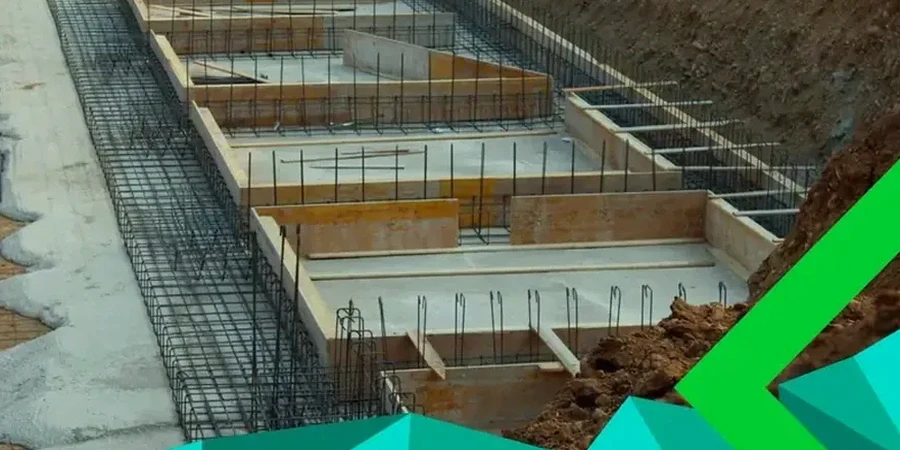
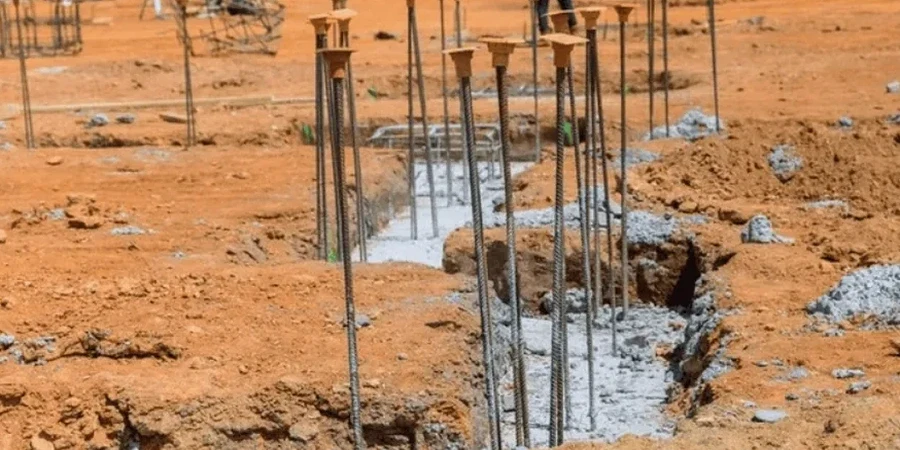
Surrey sits on a patchwork of marine clays, peat bogs, and loose alluvial deposits left by the Fraser River. Anyone who has excavated here knows the ground changes fast, sometimes within the same block. A standard shallow footing that works near Crescent Beach will fail in the Serpentine Fen. That is why pile foundation design in Surrey demands more than textbook calculations. It requires a sharp interpretation of local stratigraphy and a realistic assessment of settlement under load. We often combine deep borings with CPT testing to map the stiff till layer, because its depth varies from 12 to 40 meters across the city. When peat lenses appear, we adjust shaft friction assumptions immediately. The NBCC 2020 seismic hazard values for Metro Vancouver add another layer of complexity, pushing designers to consider kinematic soil-structure interaction in pile groups.

Surrey's soil profile can shift from peat to till within 50 meters — your pile design has to handle both extremes.
Our service areas

Our approach and scope

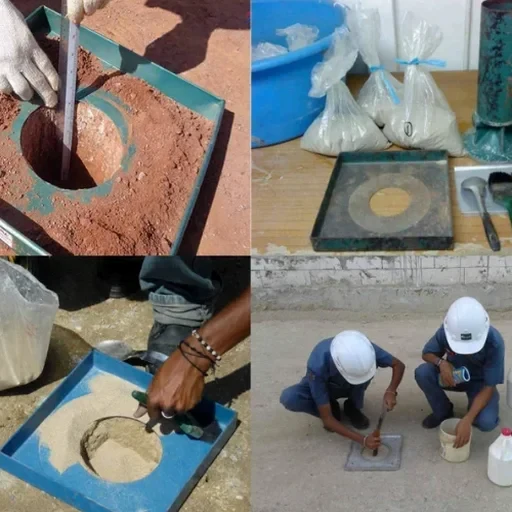
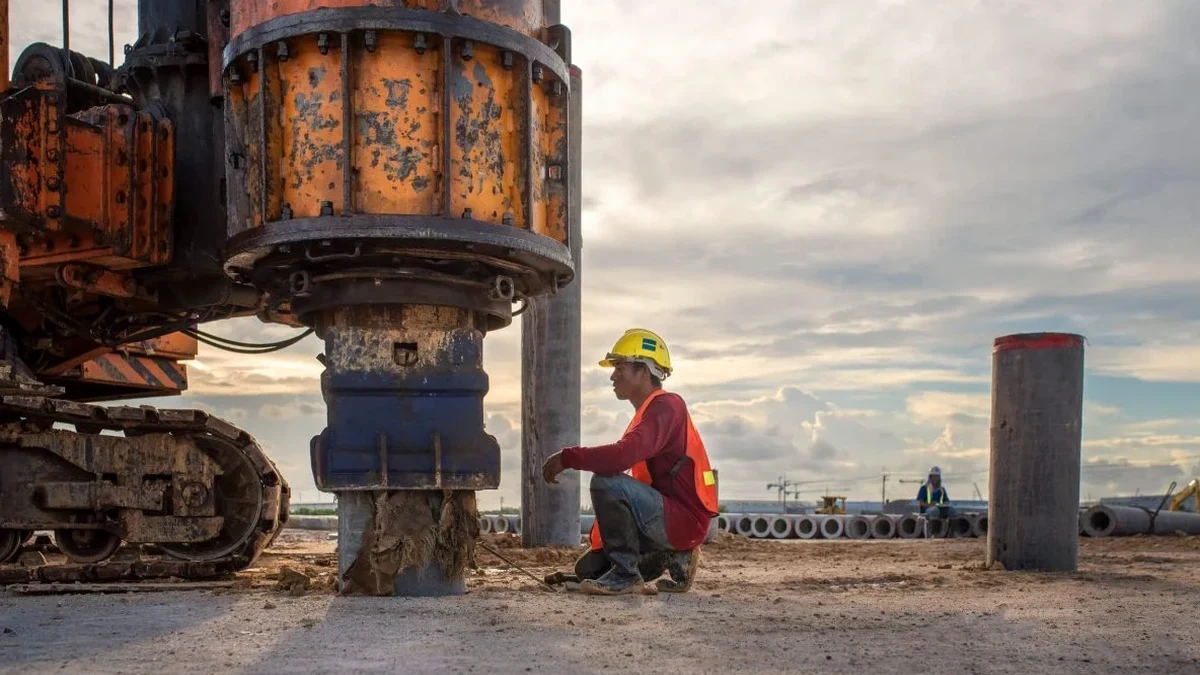
We recently designed a piled raft for a six-story mixed-use building near King George Boulevard. The geotechnical profile showed 8 meters of soft clay over dense till. A raft alone would have settled 90 millimeters. By adding 28 driven steel piles, we cut total settlement to under 25 millimeters and kept differential movement within 10 millimeters. That kind of optimization is what pile foundation design in Surrey is about. The team runs pile capacity analyses using both static methods and CPT-based correlations, then cross-checks with SPT drilling data from adjacent lots. For larger projects, we model group effects and downdrag from consolidating clay layers. Our lab in Vancouver is accredited to ISO 17025, and all concrete pile testing follows CSA A23.3 provisions for quality assurance. We test dynamic pile behavior with high-strain methods when the client needs confirmation of integrity and capacity on site.
Pile Foundation Design in Surrey, BC
Technical reference — Surrey

Local ground factors

NBCC 2020 assigns Surrey a moderate to high seismic hazard, and CSA A23.3 governs the structural design of concrete piles. The real risk is differential settlement: a pile group socketed into glacial till that sits 30 cm away from a lens of compressible organic silt. We have seen this in the West Newton industrial zone, where a warehouse slab cracked within two years because one corner of the building was founded on a peat pocket nobody mapped. Liquefaction potential in the loose sand units between 5 and 12 meters depth complicates lateral pile response. Ignoring a site-specific liquefaction assessment before finalizing pile lengths is a mistake that leads to costly retrofits. Surrey's high water table, often just 1.5 meters below grade, also demands careful consideration of buoyancy effects on hollow piles and corrosion protection for steel sections.

Need a geotechnical assessment?

Reply within 24h.

Email: [email protected]

Reference standards

NBCC 2020, CSA A23.3-19, ASTM D4945 (High-strain dynamic testing)

Technical parameters

ParameterTypical value
Typical pile depth to till in Surrey12 to 40 m
Common pile typesDriven steel H-piles, cast-in-place concrete, helical piles
Seismic design basisNBCC 2020, Site Class C to E
Liquefaction depth range5 to 12 m in loose sand units
Water table depth1.5 to 2.5 m below grade
Structural concrete standardCSA A23.3-19
Load test methodHigh-strain dynamic testing (ASTM D4945)

Frequently asked questions

How much does pile foundation design cost for a Surrey project?

Design fees typically range from CA$2,190 for a straightforward single-pile replacement to CA$8,400 for a full piled foundation design on a commercial building, including load calculations, group analysis, and construction specifications.

Which building code applies to pile design in Surrey?

The National Building Code of Canada 2020 (NBCC 2020) governs structural loads and seismic provisions, while CSA A23.3 covers the design of concrete piles and pile caps. Structural steel piles follow CSA S16.

What soil conditions make piles necessary in Surrey?

Much of Surrey is underlain by soft marine clay, peat, and loose alluvial sands. When the competent glacial till is deeper than 3 to 4 meters, or where liquefaction and settlement risks are high, a pile foundation becomes the most reliable solution.

Location and service area

We serve projects in Surrey and surrounding areas.

View larger map