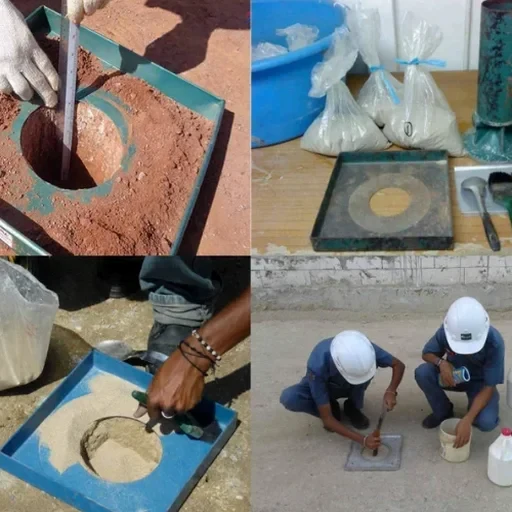
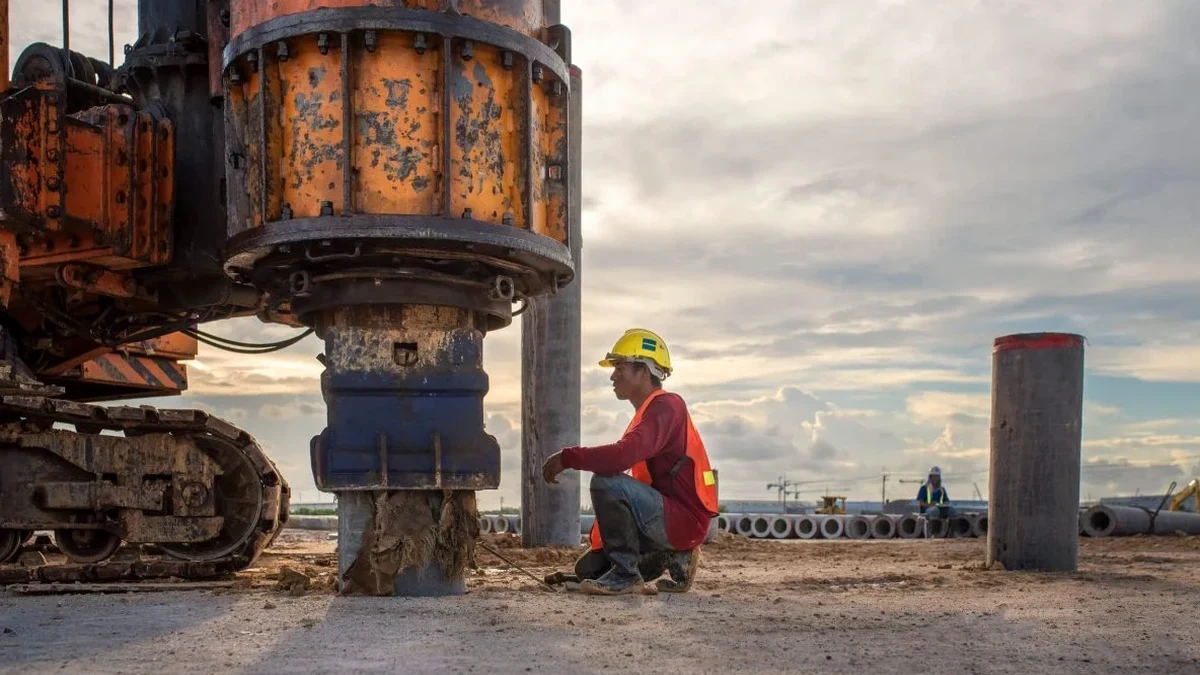
Surrey’s rapid expansion across the Fraser Valley lowlands means every foundation sits on a complex mix of glacial till and pockets of sensitive marine clay. The heavy winter rains here—often exceeding 100 mm in a single month—can quickly push these silty soils past their plastic limit. Our lab team routinely runs Atterberg limits to flag moisture-sensitive layers before site grading even starts. We combine these index tests with grain-size analysis to separate the silt fraction from the clay, because that ratio largely controls how the soil reacts when it gets wet. For deeper infrastructure projects near the Serpentine River, we also coordinate with spt-drilling crews to recover undisturbed samples at the depths where the transition from stiff till to soft clay creates the most risk for differential settlement.
A plasticity index above 25 in Surrey’s marine clay almost always means we need to look at preloading or lime stabilization before structural fill goes in.