GEOTECHNICALENGINEERING
SURREY
HomeInvestigationSPT (Standard Penetration Test)

SPT Testing in Surrey, BC: Reliable N-Value Data for Foundation Design

Technical studies that support your project.

LEARN MORE

Surrey sits at roughly 50 meters above sea level, but what really matters for construction is what lies beneath the surface. The city’s rapid expansion southward into areas with complex glacial and alluvial deposits means standard assumptions about soil capacity often fall short. Whether you’re working near the Campbell Heights business park or a residential lot in Clayton, the soil can shift from dense till to loose sand within a single block. Our team has been drilling across Metro Vancouver for years, and the Standard Penetration Test remains the most practical way to get reliable data. It gives you a number—the N-value—that engineers trust to make decisions on bearing capacity and settlement. When paired with a CPT test for finer stratification, the picture becomes even clearer.

An SPT N-value isn’t just a number—it’s a direct indication of how the soil will behave under load in Surrey’s variable glacial geology.
Our service areas

Our approach and scope

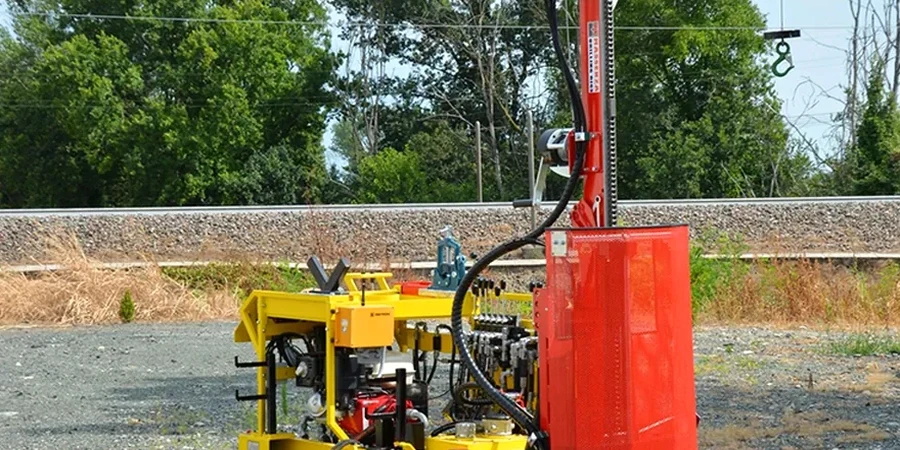
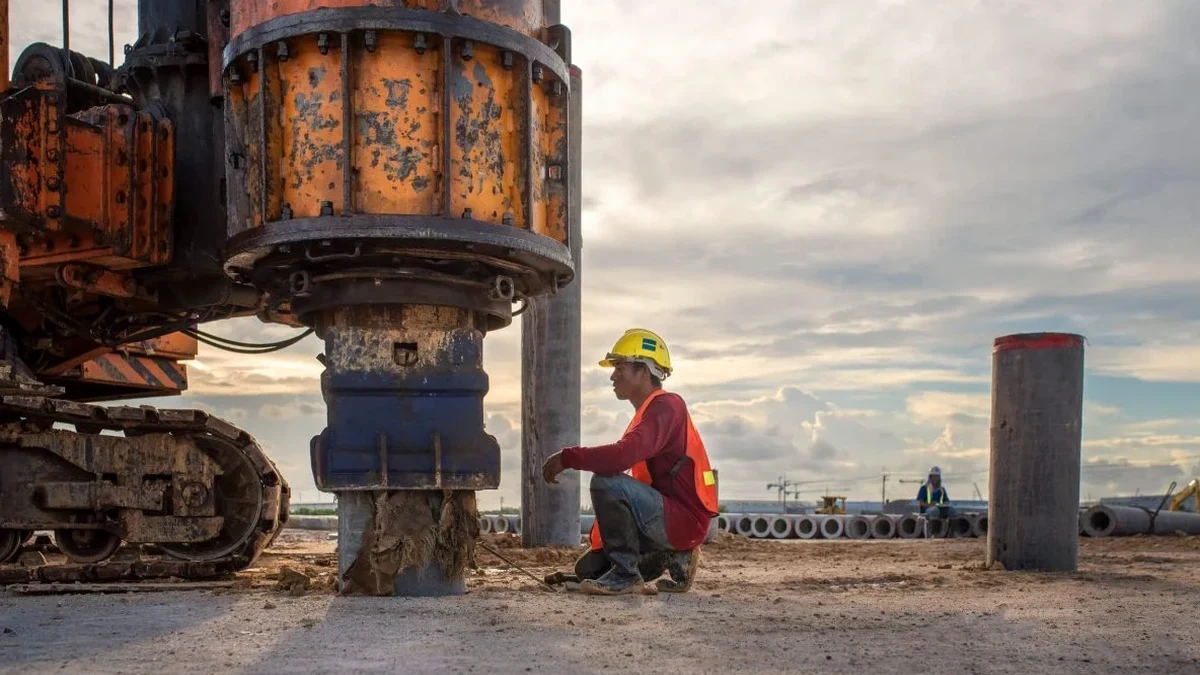
Much of Surrey’s subsoil profile is shaped by the last glaciation, leaving behind a cap of compact glacial till over softer deposits in the valleys. This geological setup often creates a stiff crust overlying normally consolidated clays. In these conditions, we run the SPT at 1.5-meter intervals or at every change in stratum to capture the transition zone accurately. We use an automatic trip hammer on a CME-55 drill rig to ensure consistent energy delivery, avoiding the erratic results that can come from older cathead-and-rope systems. The test follows ASTM D1586, providing a standardized blow count per 300 mm of penetration. We log the sample recovery, moisture, and any visible layering immediately. This hands-on approach catches things like thin silt seams that a purely numeric report might miss. For projects near the Serpentine River, where organic silts appear, those details become critical.
SPT Testing in Surrey, BC: Reliable N-Value Data for Foundation Design
Technical reference — Surrey

Local ground factors

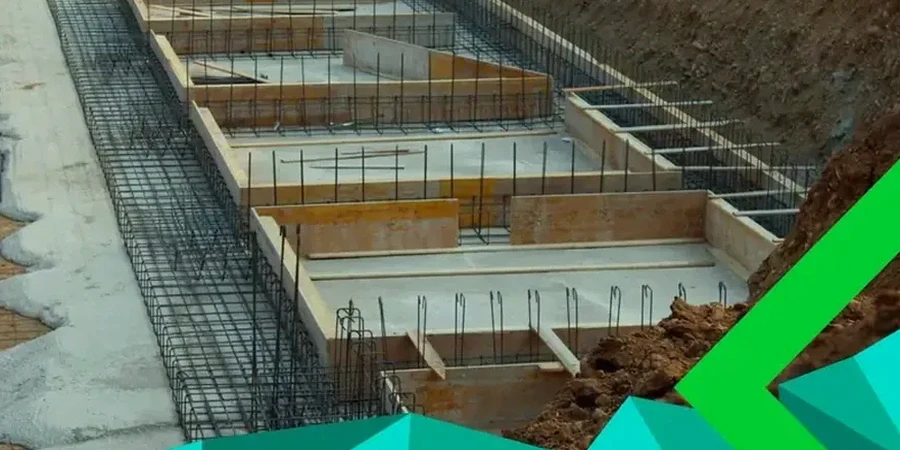
A common mistake we see in Surrey is assuming the top two meters of dense till represent the whole profile. A contractor digs a test pit, sees hard ground, and decides to skip deeper drilling. Then the excavator hits a buried channel of loose sand 4 meters down, and the planned spread footings are suddenly inadequate. Without SPT data at depth, you’re blind to these soft pockets. The NBCC is clear on this: site investigations must extend deep enough to capture all strata that influence the foundation. Missing a low N-value zone leads to differential settlement, cracked slabs, and expensive underpinning later. It’s not just about having a report—it’s about having the right vertical resolution.

Need a geotechnical assessment?

Reply within 24h.

Email: [email protected]

Video overview

Reference standards

NBCC (National Building Code of Canada), CSA A23.3 (Design of Concrete Structures), ASTM D1586 (Standard Test Method for SPT), BC Building Code 2024

Technical parameters

ParameterTypical value
Standard FollowedASTM D1586 / NBCC
Hammer TypeAutomatic Trip (Safety Hammer)
Borehole Diameter100 mm to 150 mm
Sampling IntervalEvery 1.5 m or stratum change
Split Spoon SamplerStandard 50 mm O.D.
Penetration RecordedBlows per 150 mm (3 intervals)
Data ProvidedN-value, soil description, recovery ratio

Frequently asked questions

What does an SPT test cost for a typical Surrey lot?

For a standard single-family lot in Surrey, a single SPT borehole to 8 meters depth generally runs between CA$680 and CA$890. The final price depends on access, traffic control requirements, and the number of boreholes needed for the site coverage required by your structural engineer.

How deep do you need to drill for an SPT in Surrey?

We typically drill to a minimum depth of 8 meters for a standard two-story residence, but this extends deeper for commercial work. The rule of thumb is to reach a depth where the stress increase from the foundation is less than 10% of the original overburden pressure. In practice, this often means going deeper than the glacial till layer to check for loose lag deposits.

How soon can we get the SPT report after drilling?

We can provide the field logs on the same day. The full geotechnical report with N-values, soil descriptions, and preliminary bearing capacity recommendations usually takes 5 to 7 business days. We prioritize speed because we know your excavation permit depends on it.

Location and service area

We serve projects in Surrey and surrounding areas.

View larger map