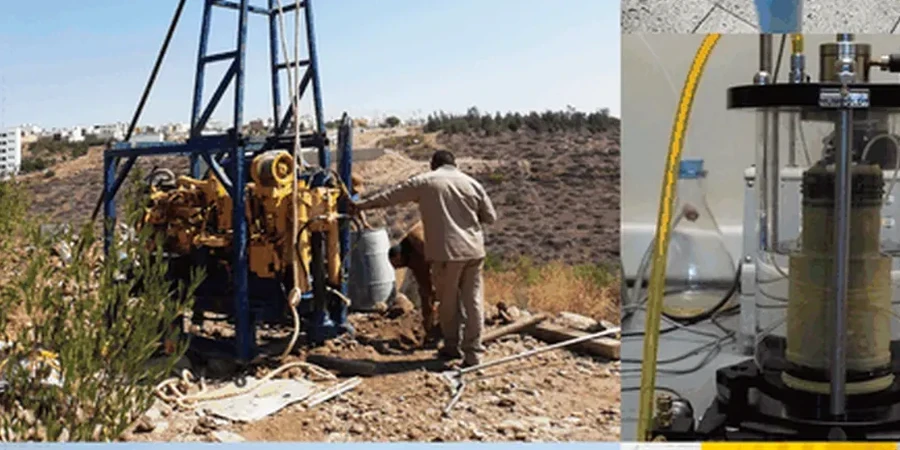
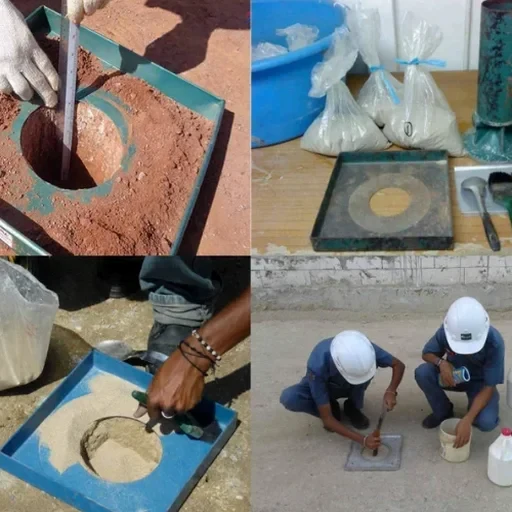
Surrey sits on a complex glacial footprint where Pleistocene till overlies deeper marine clay deposits, a stratigraphy that produces sharp bearing capacity variations across short distances. The 2020 NBCC places Surrey in seismic category D with peak ground acceleration values exceeding 0.35g in certain neighborhoods. These conditions demand a soil mechanics study that goes beyond index properties: undisturbed sampling, triaxial compression with pore pressure measurement, and consolidation history are essential to model settlement and strength reliably. Our laboratory runs these programs on Shelby tube specimens extracted from depths of 4 to 25 meters, capturing the transition from desiccated crust to normally consolidated clay. For granular layers encountered at higher elevations near the Serpentine River, we integrate in-situ density verification with advanced shear stage testing.
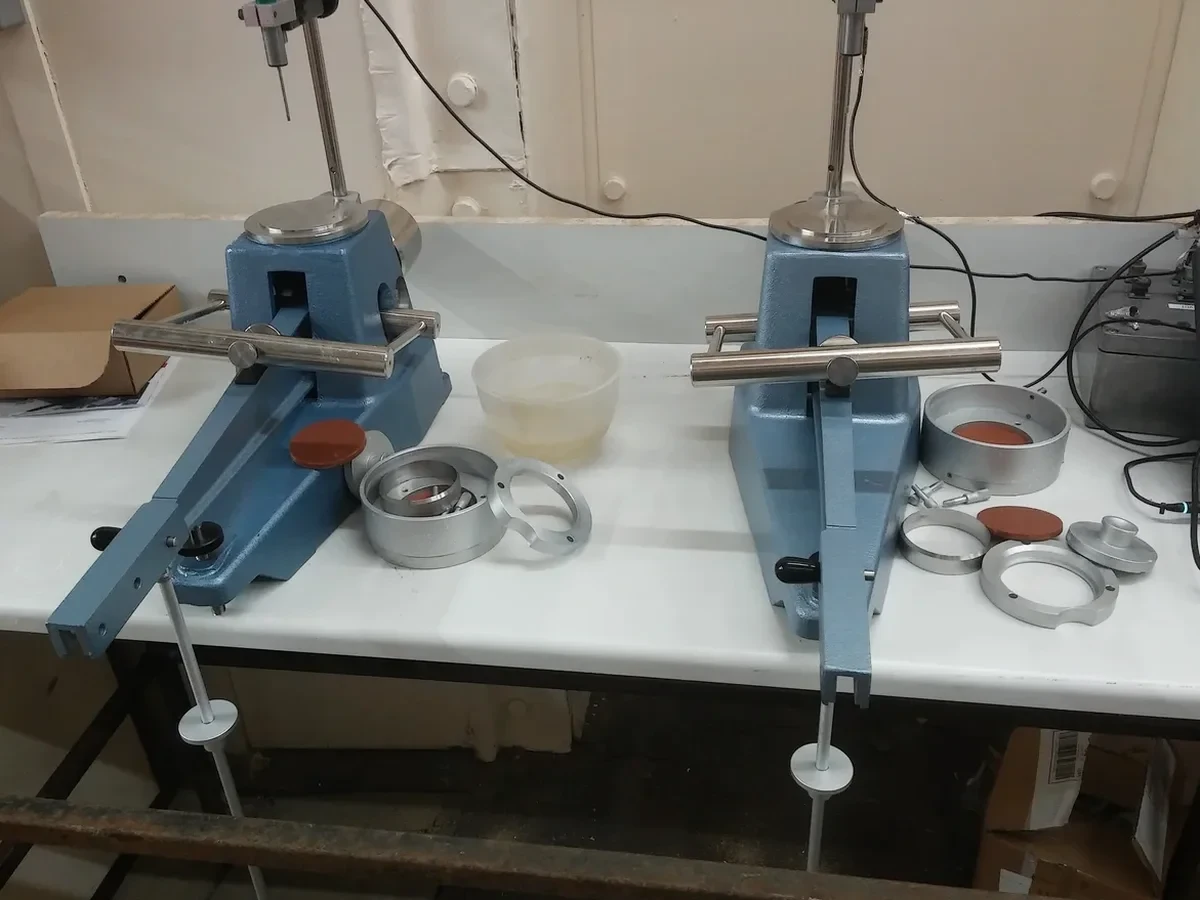
Interpreting Surrey's glacial stratigraphy requires consolidation testing that captures the preconsolidation pressure of both the desiccated crust and the underlying soft marine clay.